
Hello everyone!
It’s been a while since the last dev blog! Although I’ve been posting updates and sneak peeks regularly on our social platforms, the dev blog is a great opportunity to show the world where the project is at, and for followers to step back, summarize the past few months, and look ahead at what’s coming next.
So let’s dive right in.

Engine and Rendering Pipeline Update
I’m well aware that development may seem slow, which is often the reality of solo-dev projects. Rest assured, I’m regularly bringing in collaborators and outsourcing work when possible to keep things moving within my means.
My goal is not to rush a release, but to ensure the long-term life of the game. We all know titles that launched years ago - sometimes over a decade - and are still being updated today. Think of games like Arma 3 or American Truck Simulator. That’s the vision: a game that may start lean, but grows richer over time. The last thing I want is to release a game and abandon it. It's just part of my values.
To support that vision, we need a solid technical foundation.
As you may know, Snow Plow Project runs on Unity game engine. The playtest version was built on Unity 2019, and the alpha started development on Unity 2022. Since then, several new versions have been released; including Unity 6, the most recent and advanced version to date.
Upgrading a game engine mid-project is never trivial. It introduces bugs, breaks compatibility, and requires significant effort. But timing is everything, and I've been considering the pros and cons of updating the engine. Since the project is still in an active but early production phase, if I was going to make a move, this was the right moment.
In early March, I began testing the upgrade and it went smoother than expected. I moved forward with the full transition to Unity 6.3, which took up most of the month. Did it slow things down? Yes : about a month of work. Was it worth it? Absolutely. This upgrade opens the door to improved performance, better stability, and access to newer technologies that will benefit the game in the long run.
Now let's talk rendering pipeline. What is it? Simply put, it’s the process the engine uses to turn 3D data - models, lighting, materials - into the final image you see on screen. It controls how lighting, shadows, and visual effects are calculated and displayed.
Until now, the project was using Unity’s Built-in Render Pipeline (BIRP). With newer engine versions, Unity has shifted toward Scriptable Render Pipelines, which are more flexible and better optimized.
Taking advantage of the engine upgrade, I transitioned the project to the Universal Render Pipeline (URP). This allows for better performance and modern rendering features, while remaining efficient enough for a wide range of hardware.
All of this wasn’t a small task. But most of the heavy lifting is now done, with only a few issues left to resolve.
It may not be the most exciting milestone, but it’s a crucial step toward a stable, modern, and scalable game.
A living world
With the Advanced Snow Simulation in place, development naturally shifted from “Can we simulate snow?” to “Can we build a world worthy of it?”. That’s what the past months have been about.
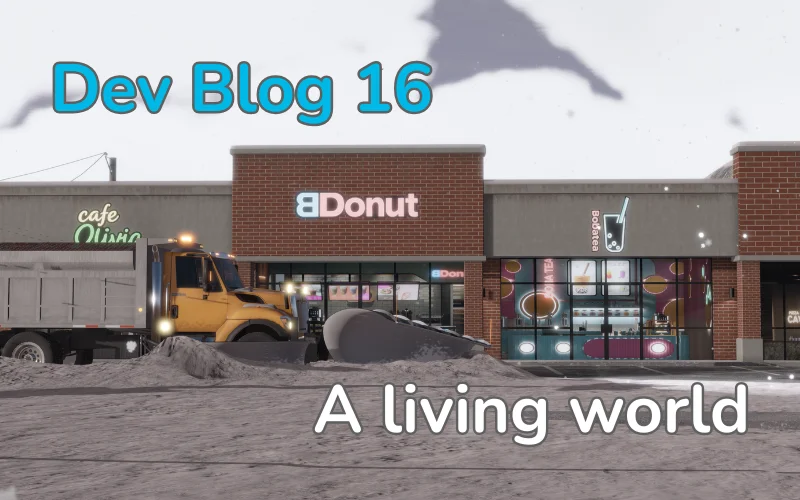
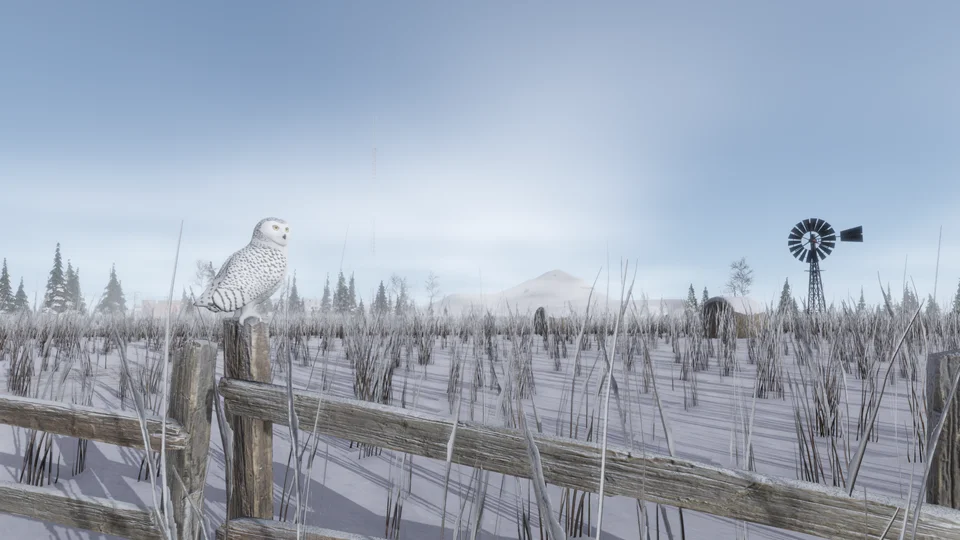
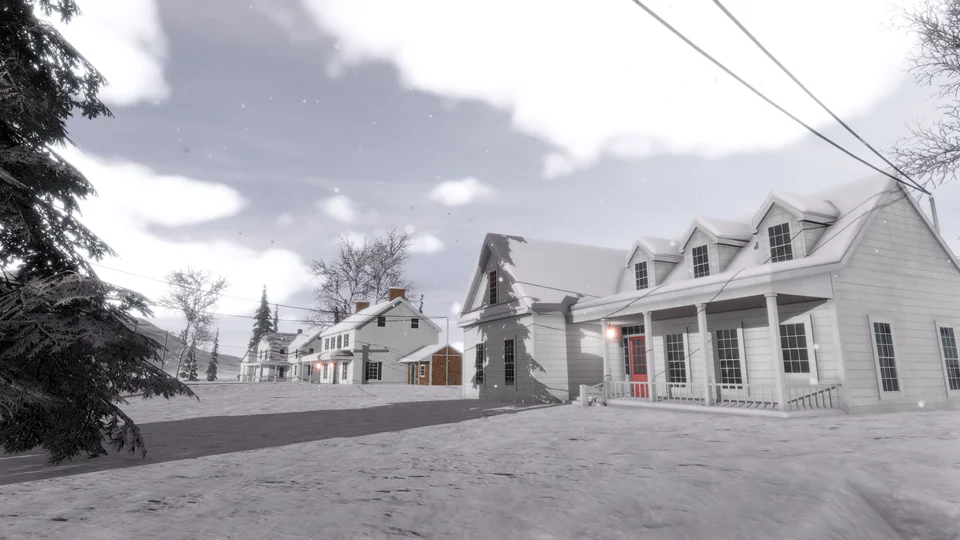
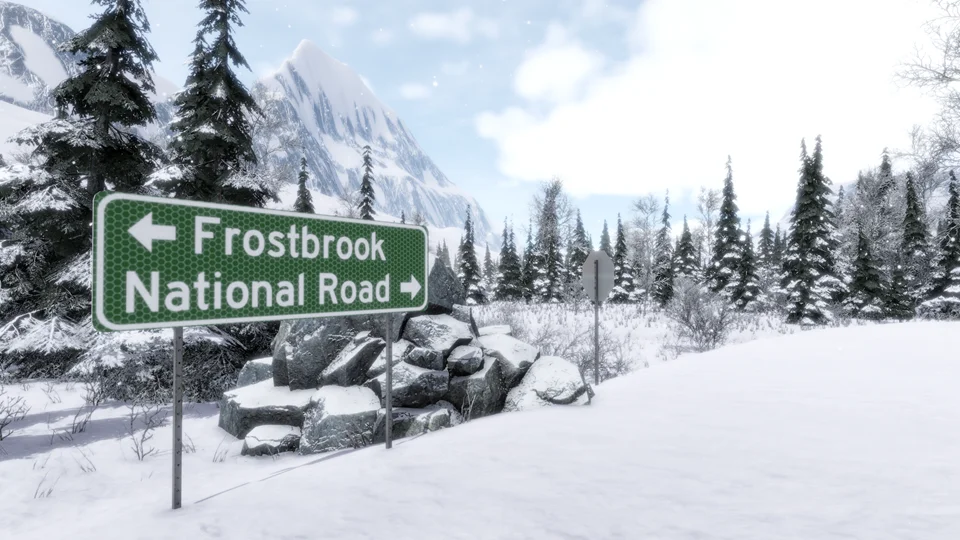
The Fields sector has grown significantly and now includes residential homes, rural retail buildings, static vehicle (placeholders for now), forest trails leading into the mountains, detailed props and vegetation, etc.
Lately, we've added some randomization to the topography. Although Fields is a relatively flat agricultural sector, it doesn't have to be dull. The map is based on a real-world heightmap for realism, but the flat parts needed some hills and valleys. A simple layer of heightmap stamp effect with some randomization took a flat land and made it hilly and natural.
Forest trails deserve special mention. They’re uneven, winding, and slightly bumpy; intentionally imperfect. They add physicality to the terrain and introduce subtle driving challenges.
This points an important design philosophy: not just placing assets, but designing driving experiences.
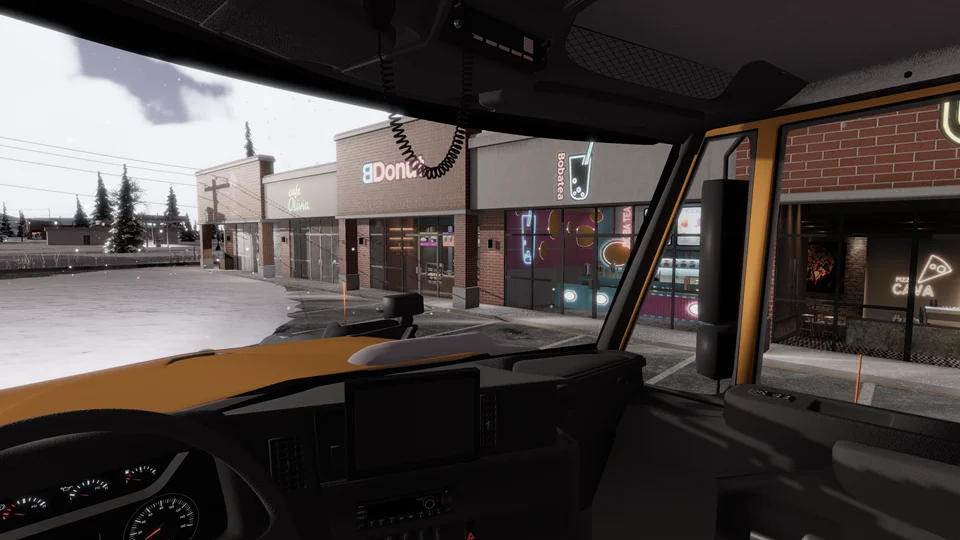
Now let's talk visuals: one of the biggest visual upgrades came with interior parallax mapping. With wParallax joining the project (a warm thanks to them!), buildings now feature convincing interior depth without the performance cost of fully modeled interiors. Windows are no longer flat or opaque: they now feel alive.
On paper, it’s a simple visual trick.
In practice, it completely changes how the world feels. Wintervale now looks inhabited.
From Models to Game-Ready Assets
As the world expanded, one thing became clear: quality and consistency matter. A large portion of recent work has focused on refining workflows and setting strict asset standards.
Assets now go through a complete pipeline: consistent modeling, accurate materials, integrated lighting and effects, proper setup and optimization.
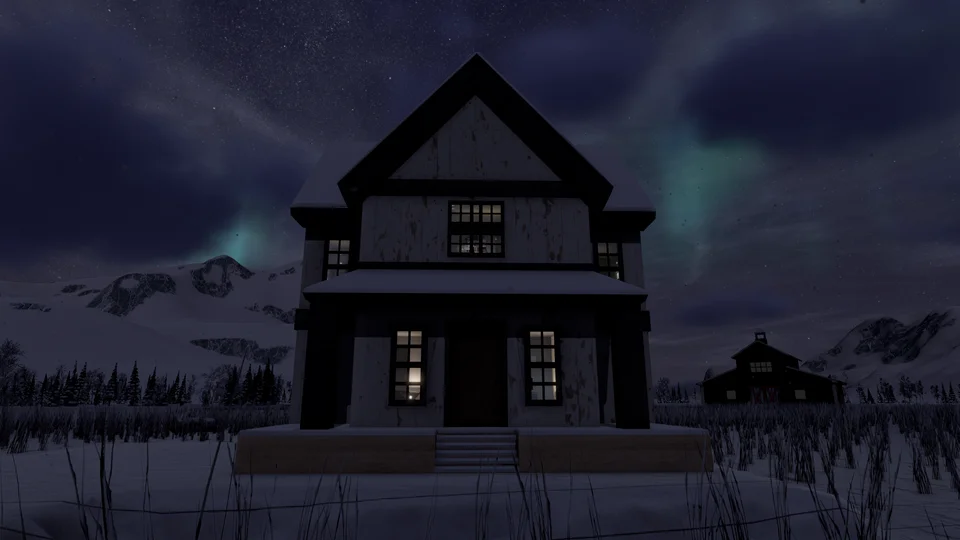
Buildings are no longer just models placed in a scene. They are fully functional prefabs, complete with dynamic lighting (day/night cycles), chimney smoke, physics interactions and environmental details.
Lights turn on at night. Garbage can be kicked. Fences can be knocked down.
The result?
The world is no longer just nice to look at - it’s becoming playable.
Snow simulation
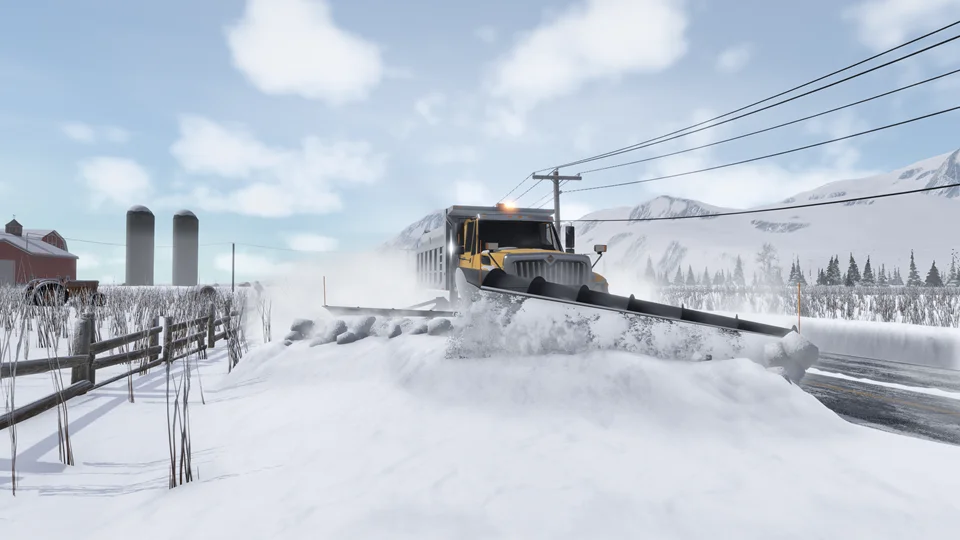
In the last dev blog, we focused heavily on the Advanced Snow Simulation - the core of the game. Since then, phase 1 has been fully implemented and polished in-game.
Because it’s not enough for the snow to behave correctly, it also needs to look right. That’s why visual effects like rolling snow have been added, making the system more convincing and satisfying. I mean, really satifsying!
Now that the system is fully integrated, it’s easier to identify what works and what can be improved. That’s where Phase 2 comes in. You can expect further refinements and additional realistic features later this year.
In summary
Yes, the engine upgrade slowed things down temporarily. But it was the right move.
We now have a modern engine, a more performant rendering pipeline, stronger asset standards, a growing, more immersive world and a solid and evolving snow simulation.
The foundation is stronger than ever.
There are exciting opportunities ahead: from potential partnerships to advanced features like simulation hardware integration or even multiplayer. Companies are reaching out, but the focus remains clear: build a solid core experience first.
The coming months will continue in that direction; expanding the world, refining systems, improving visuals and performance. All that on a solid, modern engine.
FAQ
Will the playtest be updated?
The current playtest will not be updated directly. It was a prototype from the pre-production phase. The alpha is a completely new build. When ready, the alpha will replace the playtest version you have access to.
What’s the release date?
There’s no release date yet. Several steps come first: alpha playtest, early access, and further development. However, the goal is to push the alpha update later this year.
Do you still open playtest slots?
Yes, jump in anytime! Request your access on our Steam store page and wait for an email. You'll be able to play the prototype while waiting for the alpha!
In closing
Thanks again for following the project and for your continued support. Great feedback fuels me. Contributions allow me to outsource tasks to artists and programmers. And seeing our community grow and get hyped gives me a reason to keep going.
Again, I'm determined to keep the bar high in terms of quality and to make it a state-of-the-art snow plow simulation game with accurate simulations, immersive world and realistic snow.
More to come soon.
Eric 🚜❄️